Unite & STRENGTHEN
Jewish congregations that honor Yeshua the Messiah of Israel

Jewish congregations that honor Yeshua the Messiah of Israel
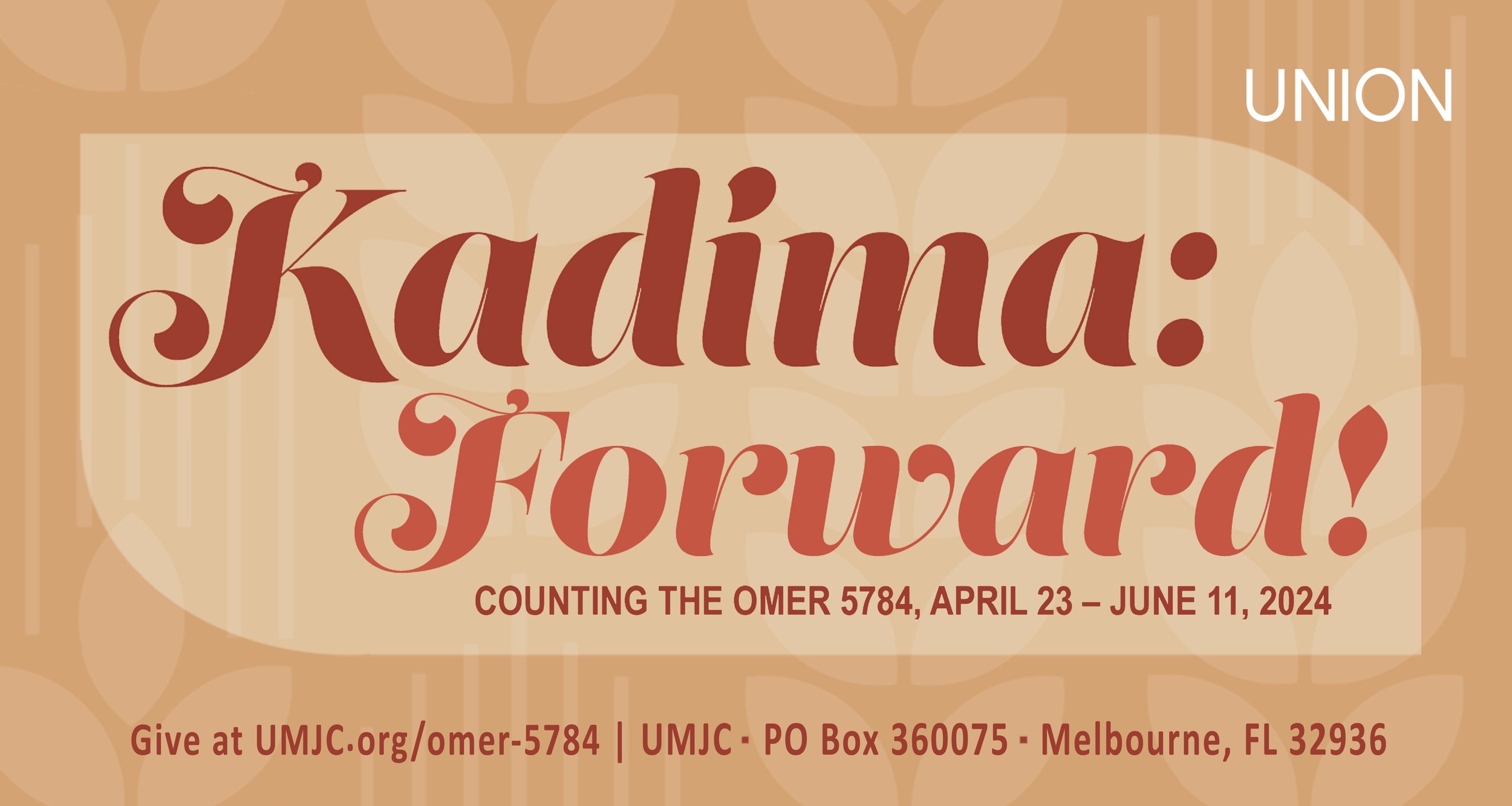
Join the Messianic Jewish community in counting the Omer together from April 23 – June 11, 2024.
Counting the Omer tracks the days from the present—the deliverance of Passover—to the future—arrival at Sinai and receiving the Torah on Shavuot. As we count those days this year, we say “Kadima: Forward!” looking toward the future together. Whether young or old, we all have a role to play in making that future a reality.
This year’s Omer campaign is focused on raising awareness and finances for our next generation initiatives. With that in mind, please take a moment each day for the next 49 days—seven weeks—to (1) recite the daily blessing and count the Omer, (2) seek ways to personally support, encourage and mentor next generation leaders, and (3) use your influence to host or help with a next-generation event in your congregation. Small steps can lead to great results.
We've created an Omer guide to help direct your daily prayer.
These are the next-generation areas your gift will positively affect:
Kadima interns and scholars, like Kyle and Rachel Orth, who are creating new and accessible Messianic Jewish music and liturgical pieces as part of their internship with Ruach Israel outside of Boston,
Ashreinu Hebrew school (ages 7-18), which has 70 students enrolled and provides continuing education for teens through its Darash program,
Messianic Jewish summer camp and young adult trips to Israel, strengthening ties to Jewish identity and the Land.
Click below to support these next-generation initiatives:

Mark your calendars and make plans to join us for our annual Summer Family Conference centered on the theme, For a Strong Future/לעתיד חזק.
We’re delighted to welcome Dr. Yaakov Ariel for a workshop and special erev Shabbat interview. Dr. Ariel is professor of Religious Studies at the University of North Carolina at Chapel Hill. His research has focused on: Messianic groups; Interfaith relations; Christian attitudes towards Jews, Zionism and Israel; history of missions to the Jews; to name a few.
Other schedule highlights include a workshop led by Dr. Jennifer Rosner, a Klezmer music workshop led by Rabbi Dr. Rich Nichol, a master class led by Kyle and Rachel Orth, and Saturday evening concert by Misha Goetz.
Telling our children and grandchildren a story rooted in ancient history, and equipping them to pass it on, amidst our culture of endless sound bites and news flashes can be challenging indeed. That’s why Passover in this current generation may be different from all other Passovers.
Along with other rabbis, Rabbi Sha’ul correlated reckless speech with an infectious skin disease that starts off as a small infection, grows if left unchecked, and eventually consumes and kills the body as it expands.
The kohanim, or priests, were in a sense the “doctors of the soul.” This is the role of a kohen, to restore the person to wholeness—to have the imagination to see beyond a person’s present brokenness, and to recognize his or her own power to heal.
If this is true for Israel as a whole, God’s priestly nation among the nations of the world, how much more for the family of Aaron, chosen to be the priestly family of the priestly people? The great tragedy in this week’s portion makes the danger of election all too evident.
Tzav is our reminder to continue to practice sacrificial worship in our lives today. How do we do this? Let’s take a moment to reflect on two questions. First, what is considered a sacrifice today? And second, where is the altar?
Each of us was given a name shortly after birth and, for most of us, we are still called by that name. When I hear my name, it commands my attention. It identifies me. It also means that the person who has called me knows my name.
Is there a lesson that can be gleaned by observing the relationship between the Flintstones and the Jetsons? I think there is, and I believe it to be profound.
God created a home for us in His creation of the universe. God has created a home for us through the life, death, and resurrection of His Messiah. May we create a home for Him in this world, by not only learning His precepts and understanding their application, but by embracing the very essence of His Holy Torah.
Moses is likened to a “friend”—specifically, a friend of God. Yeshua is on record promising “friendship” to believers who abide (John 15:14). Then, immediately afterwards, He reiterates the point, saying: “I have called you friends” (15:15). It’s hard to overstate the significance: the relationship with God that believers in Yeshua enjoy is akin to Moses’.
The breastplate bearing the names of the tribes of Israel, each in its place, reminds us also to embrace our God-given place and not to compare ourselves with the other servants; neither to seek a better position than theirs, nor to grovel in our lowliness. Instead, we’re to serve within the space God has prepared for us, and prepared us for.
During this time of trial for Israel, leaders in the UMJC are showing solidarity by visiting in person. Executive Director Dr. Jeffrey Seif and his wife, Barri Cae, recently returned from Israel, as did UMJC Rabbi Michael Kashdan. Jeff Seif’s brief report is followed by a longer account by Rabbi Kashdan.
As representatives of the global Messianic Jewish movement and in solidarity with the greater Jewish community, we affirm our standing with Israel in defense of our homeland. Our hearts are broken to see this present evil perpetrated against Israel. The current war against Israel has united the people of Israel and we stand united with them.
Jews and their allies from across America converged at the National Mall in Washington, DC, on Tuesday, November 14, to make a three-fold statement: support for Israel in its war against Hamas, a demand for immediate release of all hostages, and opposition to the dramatic rise in antisemitism.
Amid mounting opposition to Israel’s defensive war against Hamas, and a sharp rise in antisemitic activity in the US and beyond, major Jewish organizations are calling for a “March for Israel” on Tuesday, November 14.
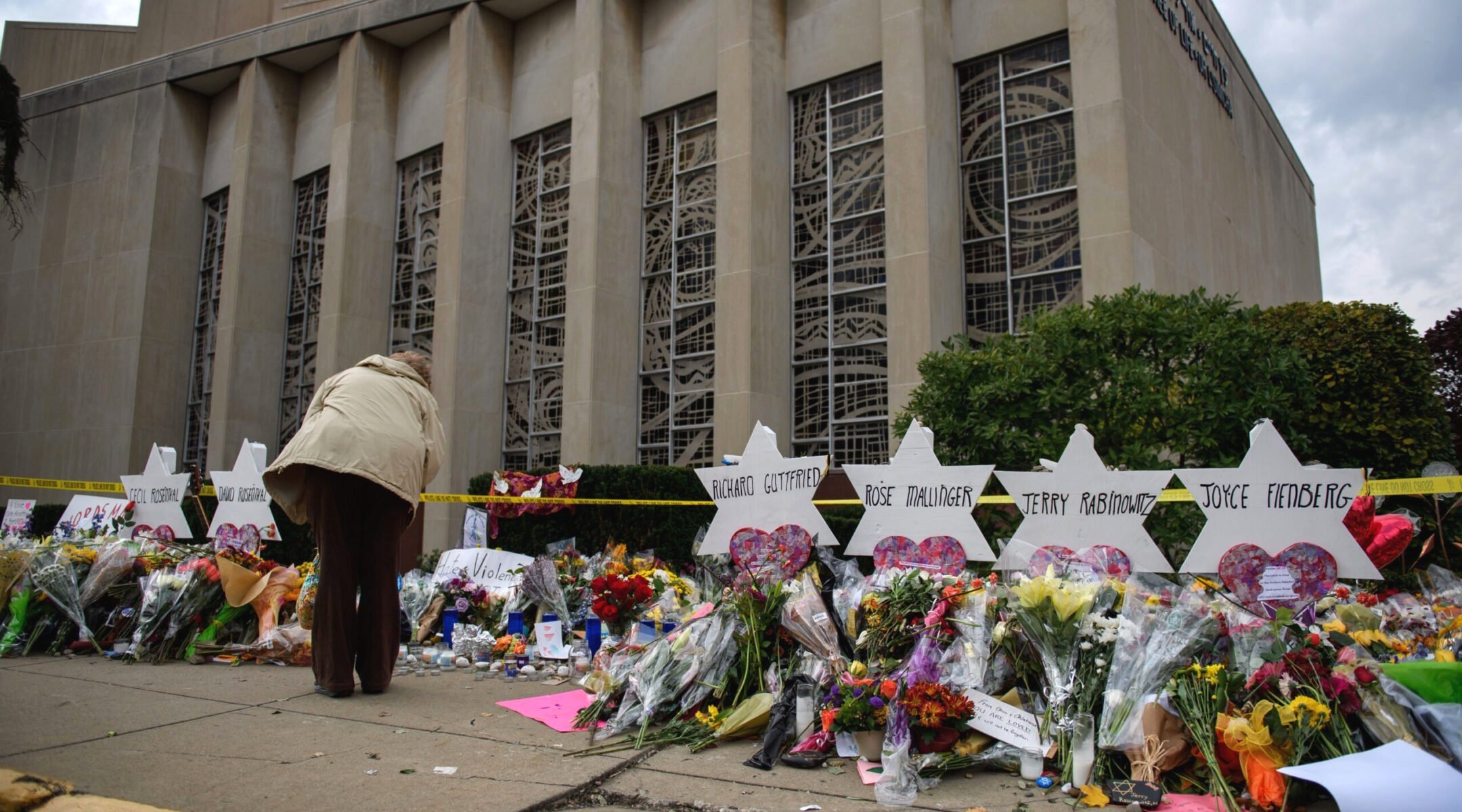
A federal jury on August 2 voted to sentence Robert Bowers to death for killing 11 worshipers at Pittsburgh's Tree of Life synagogue in 2018, the deadliest antisemitic attack in U.S. history. In June, the jury found Bowers, 50, guilty of dozens of federal hate crimes in a trial held at the U.S. District Court in Pittsburgh in western Pennsylvania.
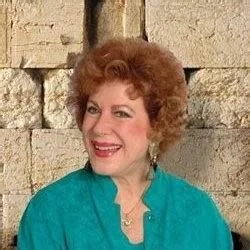
Sandra Sheskin Brotman entered into her eternal rest peacefully surrounded by family and friends on Monday, May 29, 2023. Sandra, a matriarch in the Messianic Jewish movement, was full of life, passionate about her faith, and rarely missed an opportunity to share the love of Yeshua with others.
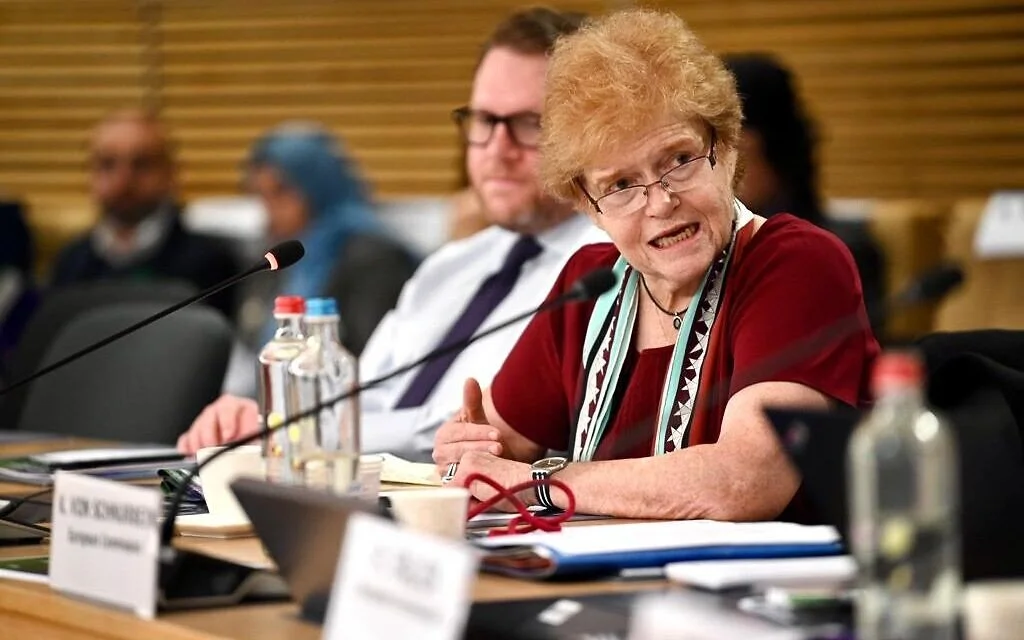
US Special Envoy Deborah Lipstadt cited the Haggadah in a recent interview to explain why increased engagement with antisemitism won’t necessarily lead to a decrease in attacks: “The authors of the Passover Haggadah, one of our oldest texts, recognized hundreds of years ago that ‘in every generation there are those who rise up to destroy us,’ which is why historians talk about antisemitism as the oldest hatred.”
Chaim Urbach passed away on March 10 after a long struggle with declining health. He was born and raised in Israel, where he came to know Yeshua early in life under the influence of his parents, Eliezer and Sara. The family immigrated to North America in 1964, and eventually settled in Denver, where he met and married his beloved Joy, and devoted himself to Messianic Jewish ministry as an esteemed leader and mentor.
On Erev Shabbat, February 10, near the Ramot neighborhood of Jerusalem, Yaakov Paley, a 6-year-old boy and Shlomo Laderman, a young man who was married only two months ago were killed and several others have been wounded in a car-ramming terror attack.
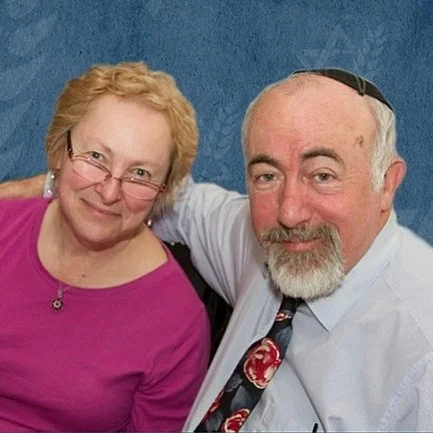
Mark Greenberg departed to be with Yeshua Friday night, January 13, after a brave, two-year struggle with vascular disease. He was the rabbi of Shalom Rome, a UMJC-affiliated congregation in Rome, Georgia, from 2016 until the Covid pandemic and his condition led to his medical retirement in 2020. Mark was also a cofounder of the Tree of Life Bible Society along with his wife, Daniah.