Unite & Strengthen
Jewish congregations that honor Yeshua the Messiah of Israel
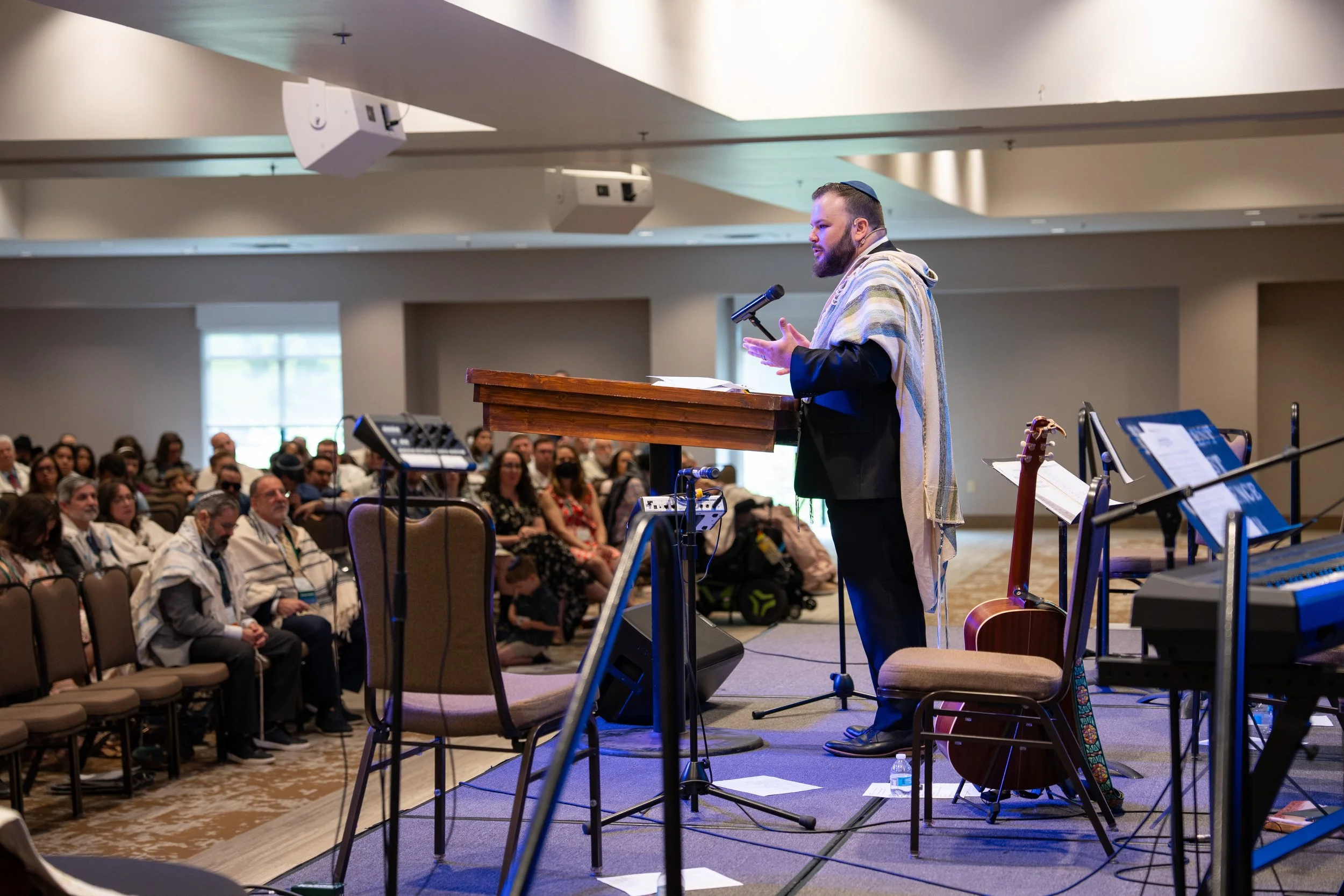
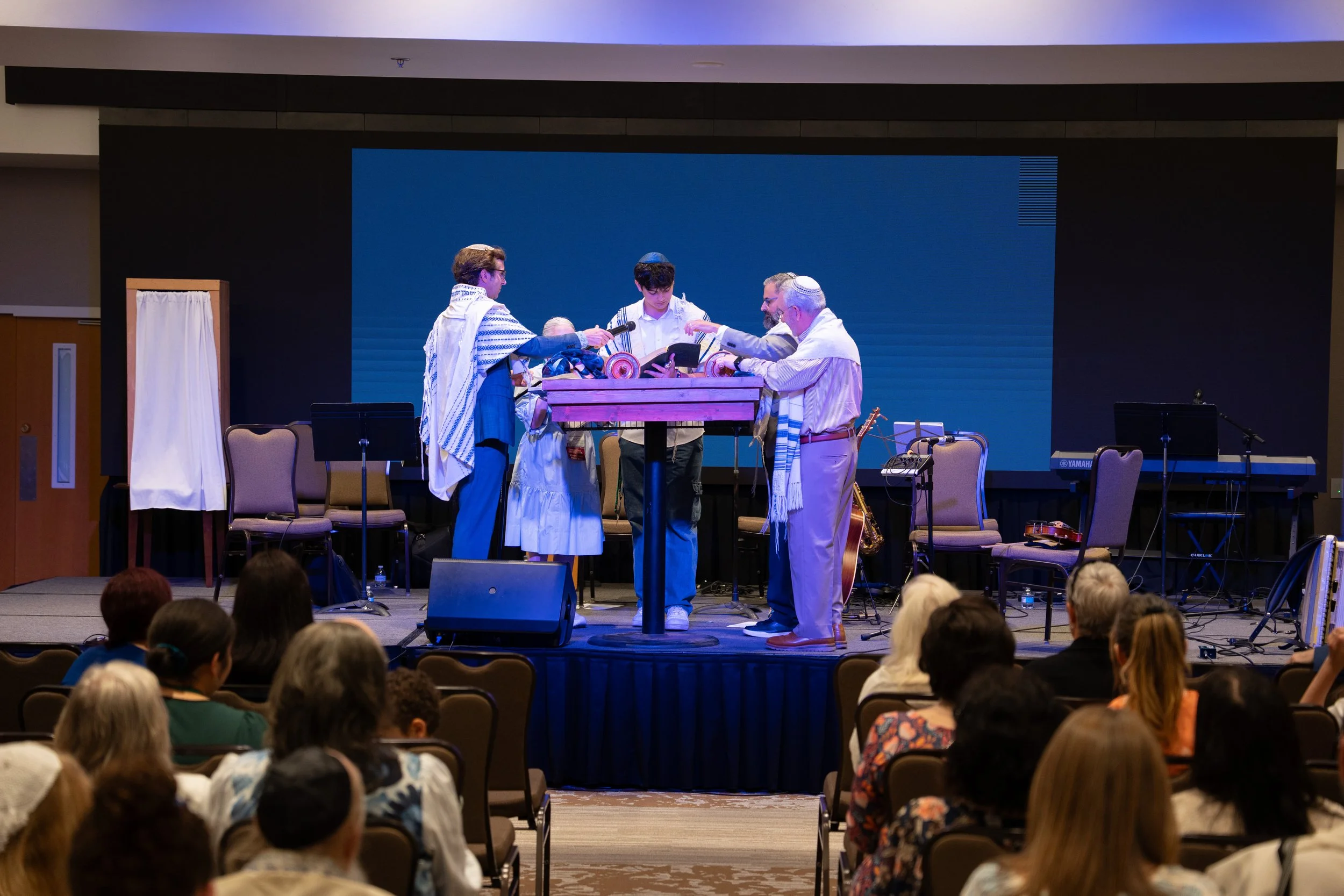
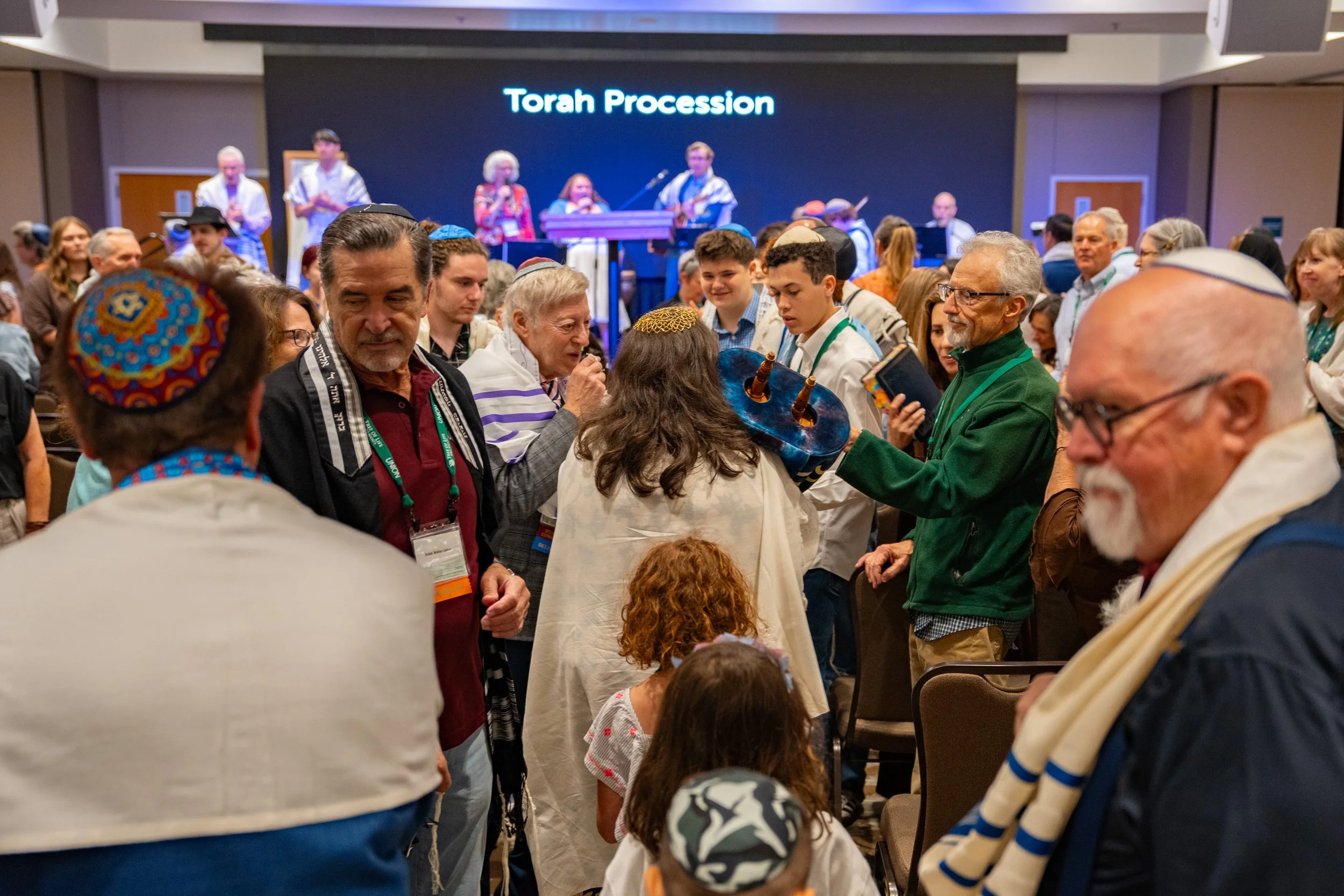
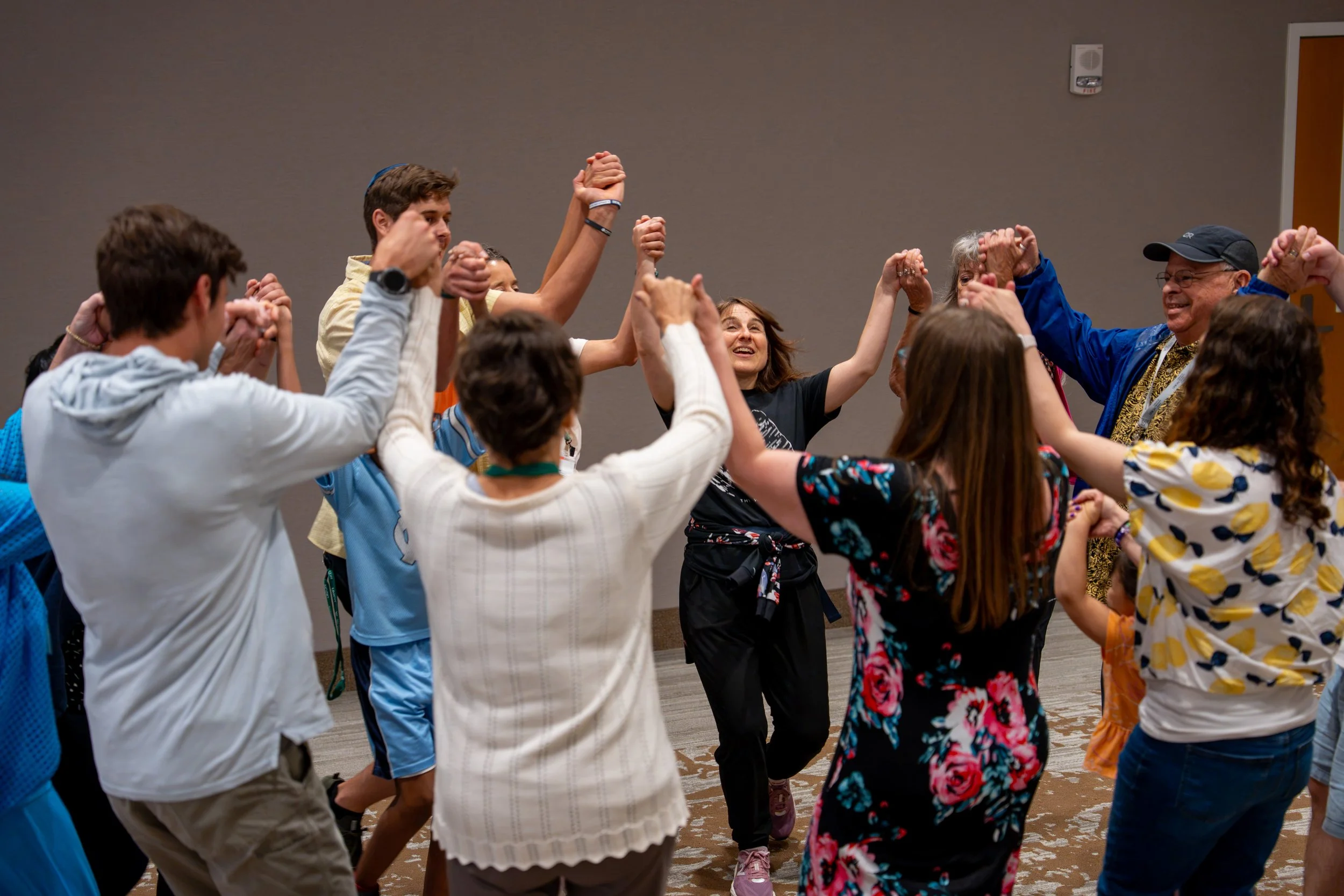
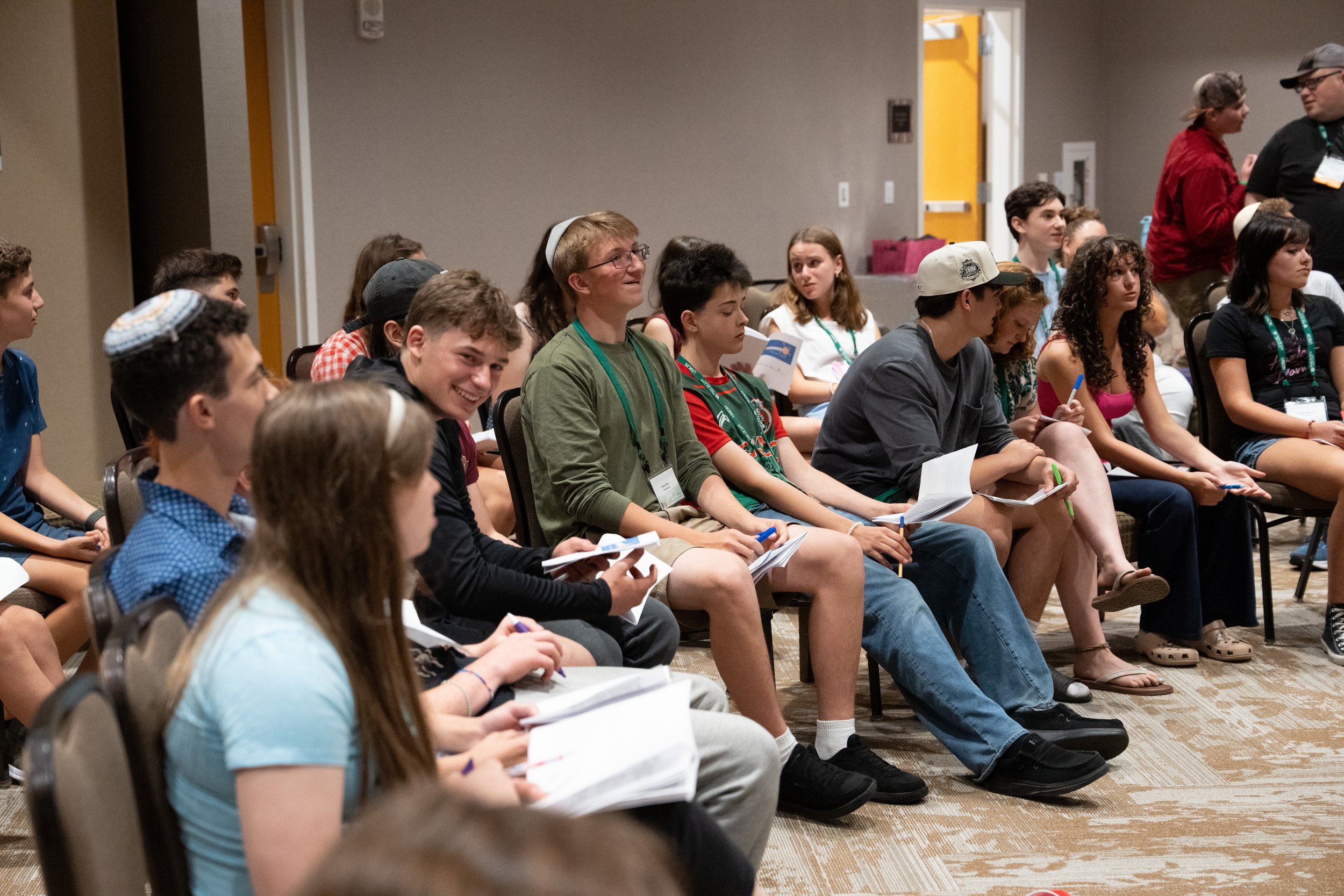
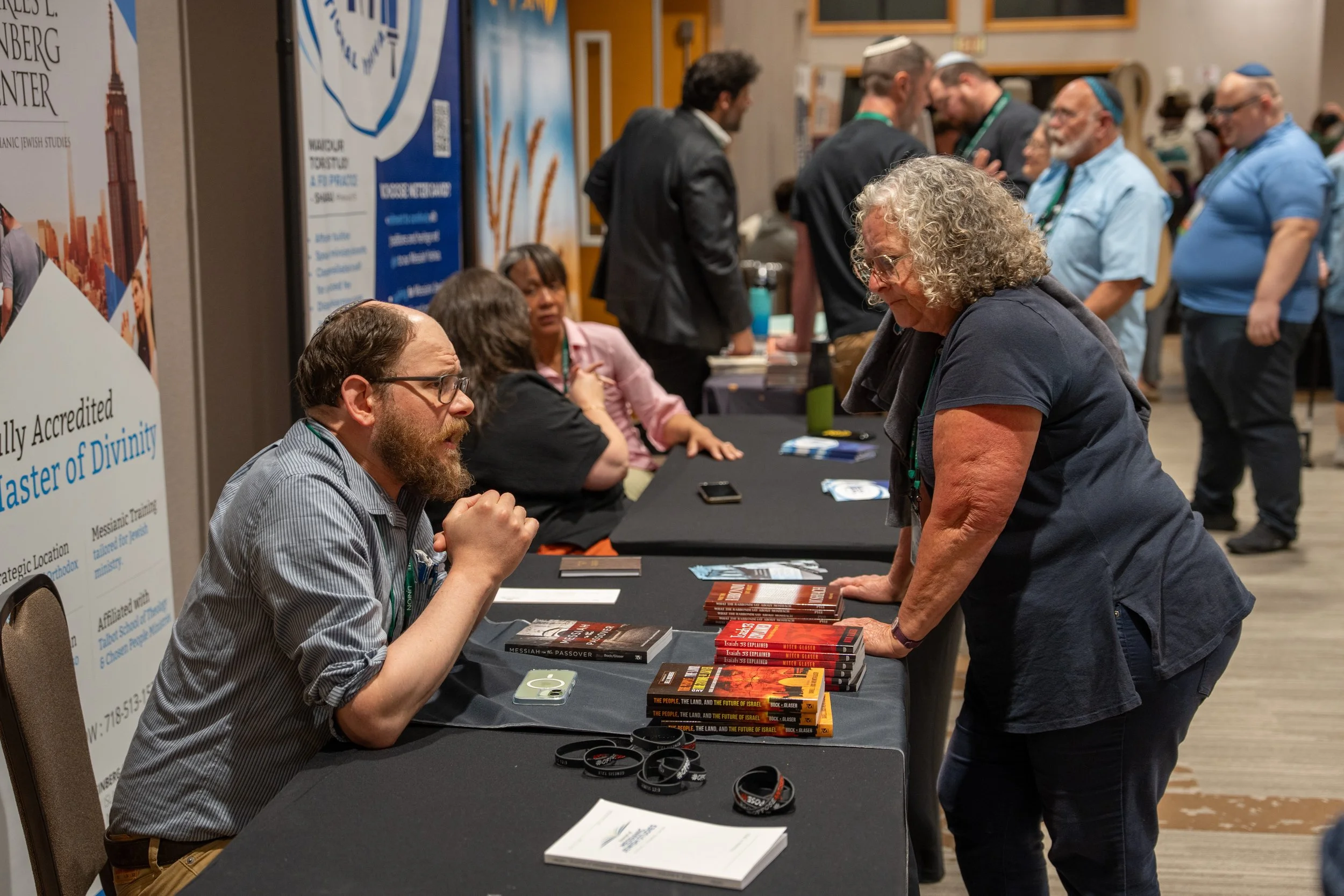
This June 24-27 the Union comes together for our annual Summer Family Conference at the beautiful Ridgecrest Conference Center, nestled in the foothills of the Blue Ridge Mountains.
Schedule highlights include the return of the Union Klezmer Band, orchestrated by Rabbi Dr. Rich Nichol, morning Torah study groups, engaging breakout sessions, and an intimate night of worship on Saturday evening, led by Jamie and David Boskey from Israel.
Union Executive Director Search
January 22, 2026
The Union of Messianic Jewish Congregations is seeking an Executive Director to oversee its operational processes while working collaboratively with a small staff, an Executive Committee of five, and member congregations. This role serves alongside the President as the public face of the Union, working to build relationships to strengthen programming, increase awareness, and expand partnerships. The ideal candidate is a practical visionary with supervisory, program management, and fundraising experience.
To read the full job description and application process, use this link.
The application period will open on January 23, 2026. Early applications are encouraged; the deadline for applications is March 13, 2026.
Questions about the application process may be directed to Eleiah Schere, Search Committee Chairperson, at eleiahschere@gmail.com, with subject: Union Executive Director.
The search committee warmly encourages all interested applicants to apply and is open to thoughtful flexibility regarding compensation and related details to secure the right candidate for this role.
Commentary
As a congregational leader, I am often asked questions pertaining to belief. People want to know the biblically correct perspective on eschatology, salvation, and the nature of God. I am always happy to answer these questions to the best of my ability, but it’s far less frequently that I’m asked more practical questions: How should I live? What should I do? What sort of person should I strive to be?
Parashat Tetzaveh and Shabbat Zachor, our readings just before Purim, together offer a simple but urgent charge. Remember who you are. Remember whom you serve. Remember why you were redeemed. And do not forget.
In Moses’ day the heartfelt donations were used to construct a special place for Adonai to dwell with his people as they continued on their journey. Today, instead of giving precious materials to construct a physical dwelling we are learning to live less for our own worldly successes and physical desires and more to become one with the Spirit of God.
When we first moved to Ann Arbor, more than forty years ago, there was a Chinese restaurant nearby with a giant lobster in a tank in its foyer. The creature was nearly three feet long and must have weighed close to twenty pounds. No one knew for sure how old it was—perhaps seventy-five years, give or take. So why am I talking about lobsters and what does it have to do with our parasha?
Each time we stand before the open ark, we stand again at Sinai. We repeat Israel’s ancient pledge, affirming that all God has spoken, we will do. Parashat Yitro reminds us that this pledge demands more than belief. It demands shared leadership, covenantal responsibility, and lives shaped by service.
In the modern world, no text has spoken more profoundly to people about their potential to achieve freedom. The message to Israel for all time is clear. The God who has raised you up in fulfillment of his promises to Abraham, Isaac, and Jacob will not forget his promises to you.
In Parashat Bo, a portion filled with plagues, Pharaoh, and Passover instructions, we are reminded that woven into the fabric of our history, God has provided tangible, sensory traditions that remind us of who he is and who he called us to be.
Just as Israel experienced an initial redemption in Egypt even while still enslaved, so we, too, are invited to live within the redemption God has already enacted in Messiah. Our life is shaped not only by anticipation, but by participation: learning to recognize what God has done, what he is doing now, and how we are to live as his redeemed people today. Our ransomed life is now.
It is only after Moses turns aside that God speaks. Moses first hears God through the miracle of the bush that burns without being consumed. Only then does he truly listen—by pausing, turning, and giving his full attention to what is unfolding before him.
Latest News
As we celebrate Purim this year, we are struck by the parallels to the Book of Esther. A corrupted regime in Persian (modern-day Iran) seeks the destruction of the Jews and is thwarted. In the end “For the Jews it was a time of happiness and joy, gladness and honor” (Esther 8:16). May it be so in our day, for the Jews and for the ordinary folk of Iran as well!
Greetings Union Friends,
Writing in the aftermath of this year’s summer conference, I must admit it feels like coming down off quite a high. We had double the kids registered for Camp Union this year and our Ashreinu School has grown almost 6-fold since launching two years ago. When I commended Debra Pardo-Kaplan for the 240 women in the Union Sisterhood, she wouldn’t have it. She retorted: we have hundreds more who haven’t yet signed up. What can I say? I love it.
Greetings Union Friends,
With Israel at war, it’s challenging to churn out a garden-variety Executive Director letter that speaks to, for, and about what’s happening in the Union. With our Summer Family Conference only a few weeks away, however, it’s also hard to not speak to, for, and about that.
Our parasha portrays a rarely seen and crucial harmony between divine desire and human motivation. It is a harmony between the exterior — the expressed will of God, and the interior — the heart and will of human beings. This harmony portrayed in Torah reaches its crescendo in the blessings of the New Covenant, and its final cadence in the world to come.